ระบบข้อมูล ESG ที่น่าเชื่อถือ
เราช่วยกำหนดว่าปัจจัยด้าน ESG ส่งผลต่อกลยุทธ์ ความเสี่ยง และการเติบโตขององค์กรอย่างไร พร้อมแปลงประเด็นสำคัญให้เป็นหลักการตัดสินใจที่ชัดเจนสำหรับผู้บริหาร

TH
พัฒนาความพร้อมด้าน ESG ให้สอดคล้องกับแนวทางการดำเนินธุรกิจคุณ
PRE ช่วยองค์กรพัฒนาโครงสร้างการกำกับดูแล กระบวนการทำงาน ระบบข้อมูล และศักยภาพของทีมภายใน เพื่อให้สามารถบริหารจัดการ Sustainability & ESG ให้เป็นส่วนหนึ่งของการดำเนินธุรกิจประจำวัน ด้วยการเชื่อมโยงกลยุทธ์ ความเสี่ยง KPI ข้อกำหนดด้านการรายงาน และบทบาทความรับผิดชอบของทีม บริการ ESG Readiness Development ช่วยให้ทีมภายในทำงานได้อย่างมีประสิทธิภาพมากขึ้น จัดการข้อมูลได้อย่างต่อเนื่อง และสามารถพัฒนาแผนงานด้านความยั่งยืนขององค์กรต่อไปได้ในระยะยาว













แผนงาน Sustainability & ESG ที่มีประสิทธิภาพควรทำได้มากกว่ายกระดับคุณภาพรายงานหรือคะแนนการประเมิน แต่ต้องช่วยให้คณะกรรมการ ผู้บริหารและผู้มีส่วนได้ส่วนเสียมองเห็นความเสี่ยงและโอกาสในระยะยาว และช่วยให้ตัดสินใจได้ดีขึ้น จัดสรรทรัพยากรอย่างเหมาะสม และเสริมความสามารถขององค์กรในการดำเนินงานและเติบโตได้อย่างต่อเนื่อง ในหลายบริษัทจดทะเบียน ข้อมูล Sustainability & ESG ยังคงกระจัดกระจายอยู่ในหลายหน่วยงาน หากไม่มีโครงสร้างกำกับดูแล ผู้รับผิดชอบ ตัวชี้วัด และหลักฐานที่ชัดเจน เป้าหมายด้านความยั่งยืนอาจไม่เชื่อมโยงกับผลการดำเนินงานของธุรกิจอย่างแท้จริง
บริการ ESG Readiness Development ของ PRE ช่วยเชื่อมโยงทิศทางจากระดับบริหารกับการนำไปปฏิบัติในระดับหน่วยงาน เราช่วยผู้บริหารกำหนดประเด็นสำคัญและบทบาทการกำกับดูแล พร้อมสนับสนุนทีมภายในในการวางกระบวนการทำงาน ผู้รับผิดชอบข้อมูล ระบบควบคุม ตารางการรายงาน ข้อกำหนดด้านหลักฐาน และการติดตามผลการดำเนินงาน ผลลัพธ์คือระบบบริหารจัดการ ESG ที่เชื่อมโยงมากขึ้น ช่วยยกระดับการประสานงานภายใน ความน่าเชื่อถือของข้อมูล การเปิดเผยข้อมูล การบริหารความเสี่ยง และการสร้างคุณค่าในระยะยาว โดยสามารถปรับให้สอดคล้องกับ GRI Standards, IFRS S1 และ IFRS S2, แนวทางการเปิดเผยข้อมูลของ SET, FTSE Russell ESG Scores รวมถึงข้อกำหนดและเกณฑ์การประเมินในอนาคต


บริษัทของคุณจะได้รับประโยชน์อย่างไรจากบริการ ESG Readiness ของเรา
เราช่วยกำหนดว่าปัจจัยด้าน ESG ส่งผลต่อกลยุทธ์ ความเสี่ยง และการเติบโตขององค์กรอย่างไร พร้อมแปลงประเด็นสำคัญให้เป็นหลักการตัดสินใจที่ชัดเจนสำหรับผู้บริหาร

เรากำหนดแผนงาน วิธีการดำเนินงาน การเก็บข้อมูล พร้อมระบุผู้รับผิดชอบและกรอบเวลาของงานอย่างชัดเจน

เราออกแบบแผนงานและกระบวนการทำงานที่เชื่อมโยงเป้าหมายของผู้บริหาร เข้ากับการปฏิบัติงานร่วมกันของแต่ละทีม

เราจัดทำนิยามข้อมูล เวิร์กโฟลว์ และการควบคุม เพื่อเพิ่มความสอดคล้องและสนับสนุนการรับรอง

เราวางกลยุทธ์ด้านความยั่งยืนและ ESG ให้เป็นไปตามแนวทางการเปิดเผยของกรอบและมาตรฐานการรายงานที่เกี่ยวข้อง เช่น GRI, IFRS S1 และ S2, TCFD, SDGs, ข้อกำหนดของ SET และตัวชี้วัด FTSE Russell


ESG for SME – NIA Acadamy, Thailand

Workplace Transformation – ArCarl Talk#02

Faculty of Architecture, Chulalongkorn University: Special Lecturer
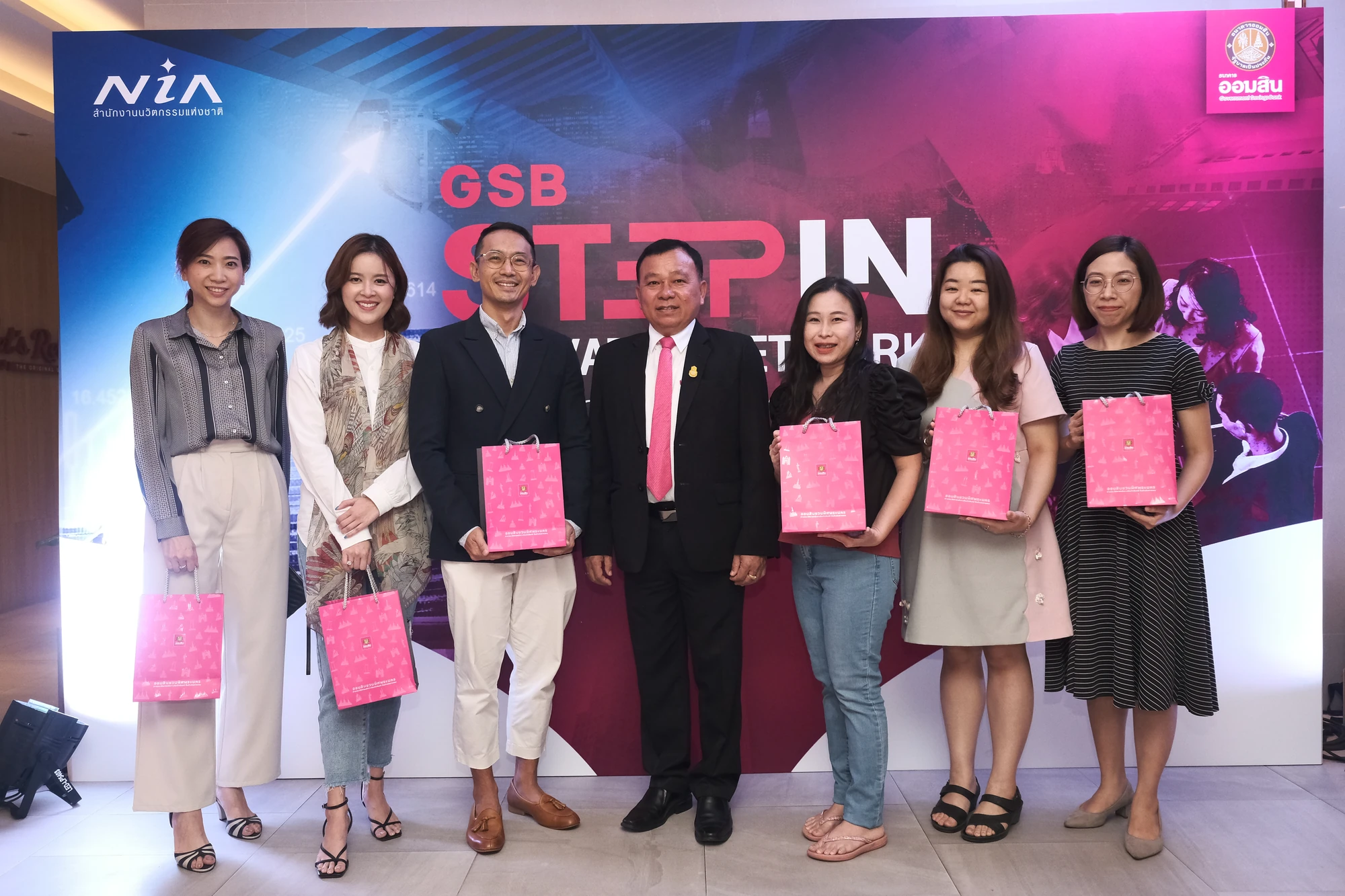
GSB & NIA – Step In Business Incubator

HP Latex Environmental Excellence Platinum Tier 2022-2023
เอชพี อิงค์ และตำหนักศิลป์ แอดเวอร์ไทซิ่ง สองยักษ์แห่งว…
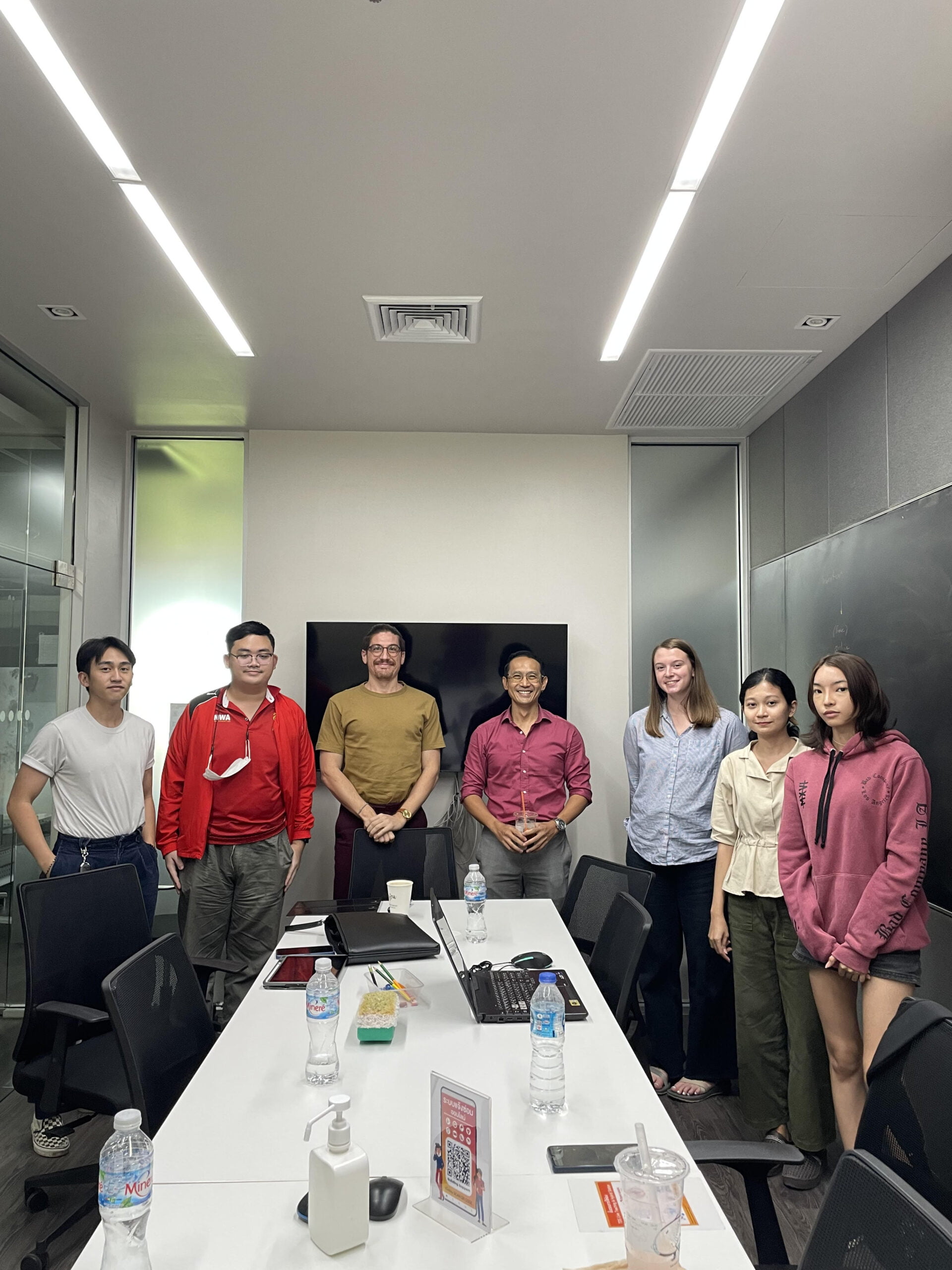
Thammasat Design School,Urban Design and Development (International Program) : Special Lecturer
Lecture topic : Developing A leadership and management …

เราได้พัฒนาแบบประเมิน 10 คำถามที่ให้คุณได้ลองประเมินองค์กร ฟรี เพื่อช่วยให้องค์กรของคุณประเมินความพร้อมด้าน ESG ได้อย่างเป็นระบบ เริ่มต้นเส้นทางสู่ความยั่งยืน (และ ESG) อย่างมั่นใจ และสร้างความได้เปรียบในการแข่งขันได้ตั้งแต่ก้าวแรกของการดำเนินงาน
ลองทำเลย





Your FTSE Russell ESG score still isn't where you want it to be. Sound familiar? Here's the good news: you're probably doing more than you think.
”
Your FTSE Russell ESG score still isn't where you want it to be. Sound familiar? Here's the good news: you're probably doing more than you think.
”
Your FTSE Russell ESG score still isn't where you want it to be. Sound familiar? Here's the good news: you're probably doing more than you think.
”

Sustainability & ESG อาจดูซับซ้อน โดยเฉพาะเมื่อองค์กรต้องรับมือกับมาตรฐานที่หลากหลายและมีการปรับเปลี่ยนอยู่ตลอดเวลา คุณไม่จำเป็นต้องมีคำตอบครบทุกเรื่องก่อนพูดคุยกับเรา เพียงบอกว่าองค์กรของคุณอยู่ในจุดไหน แล้ว PRE จะช่วยให้คุณมองเห็นขั้นตอนถัดไปได้ชัดเจนขึ้น ฝากข้อมูลติดต่อไว้ด้านล่าง แล้วมาเริ่มต้นพูดคุยกันค่ะ

The current global warming situation has resulted in the global start of trade measures aimed at sustainability by the United Nations, such as import-export tariffs, international carbon credit trading. Including requiring of company's sustainability activities be reported on the stock exchange. As a result, businesses in the supply chain have to pay more attention to sustainability policies. Therefore, these can increase the opportunity to sell products or services that meet more sustainability needs. Including possibly receiving some tax deductions in the future
ESG reporting is the process of documenting an organization's initiatives and activities that reduce negative impacts and promote sustainability across all aspects of its operations. For publicly listed companies, these reports are submitted annually to the Securities and Exchange Commission (SEC) as part of their regulatory reporting requirements. E (Environment): Initiatives and activities related to environmental protection and sustainability. S (Social): Initiatives that promote social responsibility, employee well-being, community engagement, and stakeholder impact. G (Governance): Initiatives focused on corporate governance, ethics, compliance, transparency, and accountability. These activities are aligned with the United Nations Sustainable Development Goals (SDGs), providing a globally recognized framework for measuring and advancing sustainable development.
SDGs (Sustainable Development Goals) are goals and indicators for sustainable development set by the United Nations. There are 17 main topics and 169 sub-topics covering all sectors for all countries around the world. BCG (Bio, Circular, Green Economy) is a concept about the use of renewable and renewable energy in the economy to maximize the benefits of industry resources usage to produce goods and services. ESG Report is a requirement to report on sustainability activities set by the investment sector.
Thailand is now using the FTSE Russell ESG Score to align with global standards and boost the visibility of Thai companies among international investors. This move helps make ESG assessments more transparent, as the FTSE Russell model uses public information rather than relying on self-reported questionnaires. It reduces the reporting burden for companies while providing investors with consistent, comparable data. By shifting to this global framework, Thailand aims to increase trust, improve investment appeal, and support long-term sustainability goals. The transition will be gradual, with a pilot phase starting in 2024 and full adoption expected by 2026.
Firstly, analyzing the form and production process of products and how your business is, currently Analyze how and where activities within the company meet the sustainability goals using the sustainability goals (SDGs) as a criterion. Select activities or tools that can be adapted or developed to achieve the chosen goal.
The most important thing is to create sustainability for the planet and life. In some countries and industries may benefit from tax measures, such as using carbon credits to reduce import taxs to the EU (CBAM-Carbon Boarder Adjustment Mechanism) for certain export businesses, etc.
When you've studied all the information but still can't figure it out. Feel free to contact us.