โครงสร้างรายงาน ESG และแผนที่ชัดเจน
เรากำหนดกรอบรายงาน หัวข้อและประเด็นสาระสำคัญ ตัวชี้วัด และเจ้าของงานให้ชัดเจนก่อนเริ่มพัฒนาเนื้อหา

TH
บริการพัฒนารายงาน ESG
รายงาน ESG ที่น่าเชื่อถือเริ่มต้นก่อนถึงขั้นตอนการเขียนเสมอ PRE ช่วยคุณจัดลำดับความสำคัญประเด็นด้านความยั่งยืน ตัวชี้วัด ข้อมูล และหลักฐานประกอบ ให้เชื่อมโยงกันภายใต้กระบวนการรายงานที่ชัดเจนและเป็นระบบ บริการของเราครอบคลุมตั้งแต่การวางแผนรายงาน การพัฒนาเนื้อหา การตรวจสอบข้อมูล การเชื่อมโยงตัวชี้วัด การจัดเก็บหลักฐาน และการเปิดเผยข้อมูล เพื่อช่วยให้องค์กรจัดทำรายงานที่มีความสม่ำเสมอ ตรวจสอบย้อนกลับได้ และสอดคล้องกับมาตรฐานที่เกี่ยวข้อง และตอบโจทย์ของผู้มีส่วนได้เสีย













รายงาน ESG ที่มีประสิทธิภาพควรสื่อสารได้มากกว่านโยบาย กิจกรรม และผลการดำเนินงานประจำปี แต่ควรอธิบายได้ว่าประเด็นด้านความยั่งยืนส่งผลต่อกลยุทธ์ทางธุรกิจ ความเสี่ยง การดำเนินงาน ผลประกอบการทางการเงิน และความสามารถขององค์กรในการสร้างคุณค่าในระยะยาวอย่างไร ซึ่งจำเป็นต้องอาศัยการกำหนดประเด็นสาระสำคัญที่ชัดเจน มีตัวชี้วัดผลการดำเนินงานที่สม่ำเสมอ ข้อมูลที่น่าเชื่อถือ และการเรียบเรียงเนื้อหาที่เชื่อมโยงการตัดสินใจของฝ่ายบริหารเข้ากับผลลัพธ์ที่วัดได้
ในหลายองค์กร การจัดทำรายงาน ESG เป็นเรื่องท้าทาย เนื่องจากข้อมูลถูกรวบรวมจากหลายหน่วยงาน โดยใช้คำนิยาม รูปแบบ หน่วยวัด และรอบระยะเวลาการรายงานที่แตกต่างกัน ข้อมูลจึงอาจไม่ครบถ้วน ซ้ำซ้อน ขาดหลักฐานรองรับ หรือไม่เชื่อมโยงกับประเด็นสำคัญและเป้าหมายที่แท้จริงขององค์กร
PRE ช่วยนำองค์ประกอบเหล่านี้มาเชื่อมโยงกันผ่านกระบวนการจัดทำรายงานที่เป็นระบบ ครอบคลุมตั้งแต่การวางแผนร่างเนื้อหา การวิเคราะห์ช่องว่าง การนำข้อมูลจากการประเมินประเด็นสาระสำคัญและผู้มีส่วนได้เสียมาใช้ การตรวจสอบข้อมูล การทบทวนหลักฐาน การเชื่อมโยงตัวชี้วัด และการพัฒนาเนื้อหาเชิงบรรณาธิการ เราทำงานร่วมกับผู้บริหารและทีมปฏิบัติการอย่างใกล้ชิด เพื่อให้มั่นใจว่าการเปิดเผยข้อมูลแต่ละส่วนมีความถูกต้องตามหลักวิชาการ เชื่อมโยงกับบริบททางธุรกิจ และเข้าใจได้ง่ายสำหรับผู้มีอำนาจตัดสินใจ โดยรายงานควรพัฒนาให้สอดคล้องกับกรอบและมาตรฐานที่เกี่ยวข้อง เช่น GRI Standards, IFRS S1 และ IFRS S2, กรอบการเปิดเผยข้อมูลด้านสภาพภูมิอากาศ, SDGs, แนวทางการเปิดเผยข้อมูลของ SET, FTSE Russell ESG Scores รวมถึงข้อกำหนดและเกณฑ์การประเมินอื่นๆ


บริษัทของคุณจะได้อะไรจากบริการ ESG Report Developement
เรากำหนดกรอบรายงาน หัวข้อและประเด็นสาระสำคัญ ตัวชี้วัด และเจ้าของงานให้ชัดเจนก่อนเริ่มพัฒนาเนื้อหา

เราวิเคราะห์ช่องว่าง ทบทวนข้อมูลที่ได้รับ ปรับปรุงความสม่ำเสมอ และทำให้ข้อมูลที่เปิดเผยสามารถตรวจสอบย้อนกลับไปยังหลักฐานประกอบได้

เราพัฒนานโยบาย แผนงาน กิจกรรม ความเสี่ยง และผลลัพธ์ให้เป็นเนื้อหาที่ชัดเจน มีความเชื่อมโยงกับบริบทและการดำเนินธุรกิจ

เราเชื่อมโยงเนื้อหารายงานกับ GRI Standards, IFRS S1 และ IFRS S2, TCFD, SDGs, ข้อกำหนดของ SET และเกณฑ์การประเมินของ FTSE Russell

เราจัดระบบตัวชี้วัด แหล่งอ้างอิง หลักฐานประกอบ และกระบวนการอนุมัติภายใน เพื่อสนับสนุนการทบทวนของฝ่ายบริหาร การเตรียมความพร้อมสำหรับการตรวจสอบ และการรับรองข้อมูลในอนาคต


ESG for SME – NIA Acadamy, Thailand

Workplace Transformation – ArCarl Talk#02

Faculty of Architecture, Chulalongkorn University: Special Lecturer
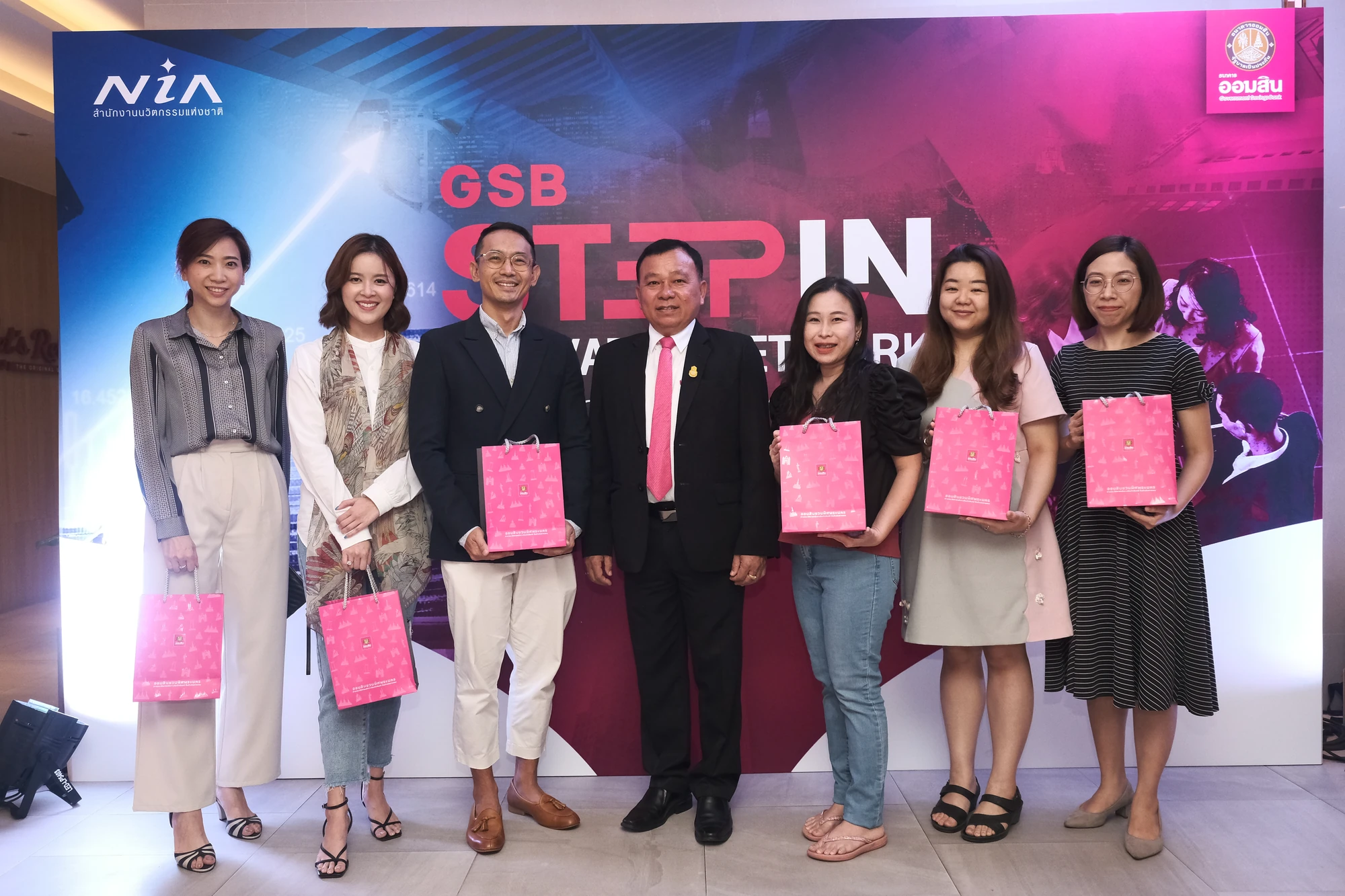
GSB & NIA – Step In Business Incubator

HP Latex Environmental Excellence Platinum Tier 2022-2023
เอชพี อิงค์ และตำหนักศิลป์ แอดเวอร์ไทซิ่ง สองยักษ์แห่งว…
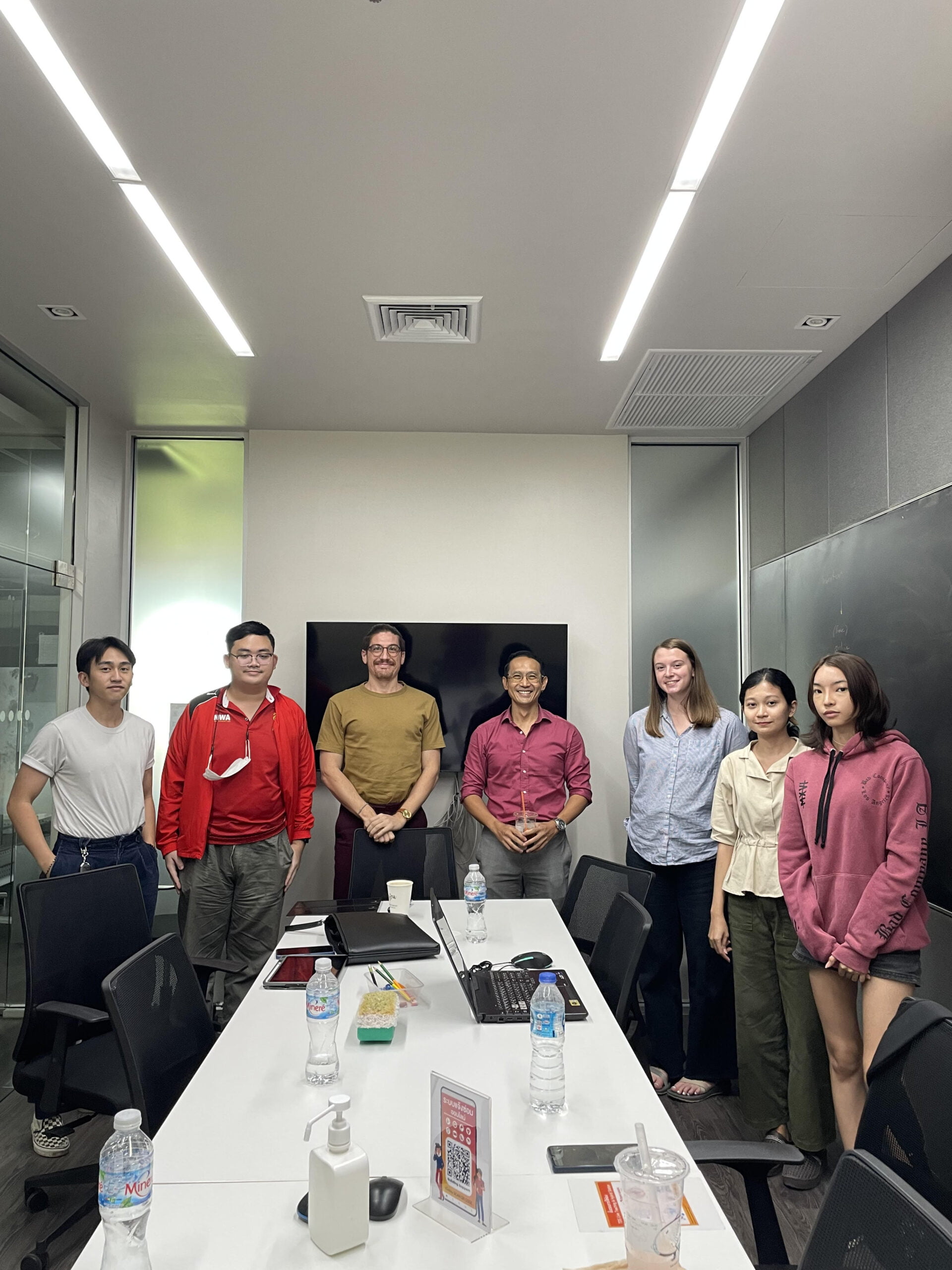
Thammasat Design School,Urban Design and Development (International Program) : Special Lecturer
Lecture topic : Developing A leadership and management …

เราได้พัฒนาแบบประเมิน 10 คำถามที่ให้คุณได้ลองประเมินองค์กร ฟรี เพื่อช่วยให้องค์กรของคุณประเมินความพร้อมด้าน ESG ได้อย่างเป็นระบบ เริ่มต้นเส้นทางสู่ความยั่งยืน (และ ESG) อย่างมั่นใจ และสร้างความได้เปรียบในการแข่งขันได้ตั้งแต่ก้าวแรกของการดำเนินงาน
ลองทำเลย





Your FTSE Russell ESG score still isn't where you want it to be. Sound familiar? Here's the good news: you're probably doing more than you think.
”
Your FTSE Russell ESG score still isn't where you want it to be. Sound familiar? Here's the good news: you're probably doing more than you think.
”
Your FTSE Russell ESG score still isn't where you want it to be. Sound familiar? Here's the good news: you're probably doing more than you think.
”

Sustainability & ESG อาจดูซับซ้อน โดยเฉพาะเมื่อองค์กรต้องรับมือกับมาตรฐานที่หลากหลายและมีการปรับเปลี่ยนอยู่ตลอดเวลา คุณไม่จำเป็นต้องมีคำตอบครบทุกเรื่องก่อนพูดคุยกับเรา เพียงบอกว่าองค์กรของคุณอยู่ในจุดไหน แล้ว PRE จะช่วยให้คุณมองเห็นขั้นตอนถัดไปได้ชัดเจนขึ้น ฝากข้อมูลติดต่อไว้ด้านล่าง แล้วมาเริ่มต้นพูดคุยกันค่ะ

The current global warming situation has resulted in the global start of trade measures aimed at sustainability by the United Nations, such as import-export tariffs, international carbon credit trading. Including requiring of company's sustainability activities be reported on the stock exchange. As a result, businesses in the supply chain have to pay more attention to sustainability policies. Therefore, these can increase the opportunity to sell products or services that meet more sustainability needs. Including possibly receiving some tax deductions in the future
ESG reporting is the process of documenting an organization's initiatives and activities that reduce negative impacts and promote sustainability across all aspects of its operations. For publicly listed companies, these reports are submitted annually to the Securities and Exchange Commission (SEC) as part of their regulatory reporting requirements. E (Environment): Initiatives and activities related to environmental protection and sustainability. S (Social): Initiatives that promote social responsibility, employee well-being, community engagement, and stakeholder impact. G (Governance): Initiatives focused on corporate governance, ethics, compliance, transparency, and accountability. These activities are aligned with the United Nations Sustainable Development Goals (SDGs), providing a globally recognized framework for measuring and advancing sustainable development.
SDGs (Sustainable Development Goals) are goals and indicators for sustainable development set by the United Nations. There are 17 main topics and 169 sub-topics covering all sectors for all countries around the world. BCG (Bio, Circular, Green Economy) is a concept about the use of renewable and renewable energy in the economy to maximize the benefits of industry resources usage to produce goods and services. ESG Report is a requirement to report on sustainability activities set by the investment sector.
Thailand is now using the FTSE Russell ESG Score to align with global standards and boost the visibility of Thai companies among international investors. This move helps make ESG assessments more transparent, as the FTSE Russell model uses public information rather than relying on self-reported questionnaires. It reduces the reporting burden for companies while providing investors with consistent, comparable data. By shifting to this global framework, Thailand aims to increase trust, improve investment appeal, and support long-term sustainability goals. The transition will be gradual, with a pilot phase starting in 2024 and full adoption expected by 2026.
Firstly, analyzing the form and production process of products and how your business is, currently Analyze how and where activities within the company meet the sustainability goals using the sustainability goals (SDGs) as a criterion. Select activities or tools that can be adapted or developed to achieve the chosen goal.
The most important thing is to create sustainability for the planet and life. In some countries and industries may benefit from tax measures, such as using carbon credits to reduce import taxs to the EU (CBAM-Carbon Boarder Adjustment Mechanism) for certain export businesses, etc.
When you've studied all the information but still can't figure it out. Feel free to contact us.